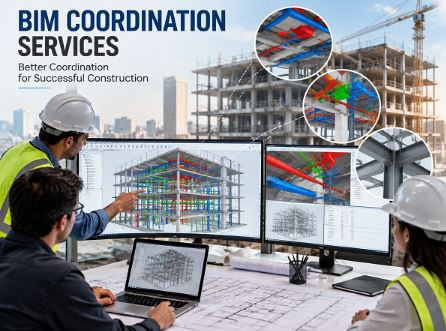
Modern construction projects involve many moving parts. Architects, structural engineers, mechanical teams, electrical specialists, contractors, and suppliers must all work from coordinated information. Therefore, even a small design conflict can create delays when it is discovered after construction has already started. Traditional drawings remain useful, but complex projects often require a more connected approach. Different disciplines may design their systems separately, and those systems must eventually occupy the same physical building. As a result, teams need a reliable way to review how different components interact before installation begins.

Building Information Modeling provides that connection by creating a shared digital representation of the project. Instead of reviewing each discipline in isolation, project teams can examine architectural, structural, mechanical, electrical, and plumbing information together. For this reason, BIM coordination services have become an important part of modern construction planning. Through coordinated digital models, project teams can identify conflicts earlier, improve communication, and make more informed decisions before those issues reach the job site.
Key Takeaways
- BIM coordination helps teams identify clashes between different building systems before construction.
- Shared digital information improves communication between designers, engineers, contractors, and other stakeholders.
- Early coordination can reduce rework, improve planning, and support smoother construction workflows.
Understanding BIM Coordination in Modern Construction
BIM coordination involves bringing information from different construction disciplines into a coordinated digital environment. Therefore, teams can review how various building elements fit together before physical installation begins. A typical building may contain structural beams, ventilation ducts, electrical conduits, plumbing pipes, ceilings, walls, equipment, and many other components. Each system has its own requirements, but all of them must eventually occupy the same physical space. Without coordination, conflicts can remain hidden until workers begin installation. However, a coordinated BIM model allows teams to review these relationships earlier. For example, a mechanical duct may pass through a structural beam location. Similarly, a plumbing route may conflict with an electrical system. These problems can be reviewed digitally before construction crews encounter them.
Why Early Clash Detection Matters
Clash detection is one of the most important functions of BIM coordination. Therefore, identifying conflicts during the design stage can help teams avoid unnecessary site problems. A physical clash can require workers to stop installation, contact the design team, wait for a decision, and then make changes. Consequently, one small conflict can affect several parts of the construction schedule. BIM coordination changes this process by allowing teams to identify potential conflicts before installation. Designers can review the issue and adjust the relevant system while changes are still easier to manage. Additionally, early detection can improve communication because everyone can see the problem within the project model rather than trying to understand it from separate drawings.
Improving Communication Between Disciplines
Construction projects involve professionals with different responsibilities and technical backgrounds. Therefore, communication can become difficult when each team works from separate documents. A coordinated BIM environment provides a common reference point. Architects can review structural elements, engineers can understand architectural constraints, and contractors can examine installation requirements. Additionally, visual models can make complex technical information easier to understand. A three-dimensional representation often provides more context than a collection of two-dimensional drawings.
This shared understanding helps teams discuss problems more clearly and reach decisions before construction activities are affected.
Creating Better Construction Planning
Good construction planning depends on accurate information. Therefore, BIM coordination can support planning by giving project teams a clearer picture of the building before work begins. When different systems are coordinated, contractors can better understand installation requirements and potential constraints. This information can then support scheduling and sequencing decisions. For example, teams can identify areas where several trades need to work within the same space. They can then plan the sequence of activities more carefully. Additionally, coordinated information can help contractors prepare materials and resources based on a clearer understanding of the final design.
Reducing Rework and Construction Disruptions
Rework can consume labor, materials, and valuable project time. Therefore, preventing avoidable mistakes is an important construction goal. When a conflict is discovered after installation, workers may need to remove completed work and install it again. This can also affect nearby systems that were already completed. BIM coordination helps reduce this risk by allowing teams to examine potential conflicts before physical work takes place. Furthermore, resolving problems digitally is often more organized than solving them in the middle of active construction. Teams can review alternatives, document decisions, and update the coordinated model.
Supporting Better Design Decisions
Design decisions can affect multiple disciplines. Therefore, project teams need to understand how a proposed change may influence other building systems. A coordinated BIM model provides a broader view of the project. When one component changes, teams can review its relationship with surrounding elements. For example, changing the position of a ceiling may affect lighting, ventilation, sprinkler systems, and other components. A coordinated model helps teams recognize these relationships. As a result, decisions can be made with greater awareness of their potential impact on the rest of the project.
The Value of a BIM Consulting Service
Implementing BIM successfully requires more than creating a three-dimensional model. Therefore, projects may benefit from experienced professionals who understand coordination workflows and construction requirements. A professional BIM consulting service can support teams with model coordination, project workflows, and digital construction processes. Experienced BIM professionals can help establish coordination procedures and organize information between disciplines. Additionally, they can assist teams in identifying conflicts and maintaining consistent project information. This support can be especially useful when projects involve multiple consultants, contractors, and specialized systems.
Improving Coordination During Design Development
BIM coordination should not be treated as a final check performed immediately before construction. Instead, it can become part of the design development process. As designs evolve, new information is added and existing elements may change. Therefore, coordination should continue throughout the appropriate project stages. Regular coordination allows teams to identify new conflicts as the design develops. It also reduces the chance that outdated information will remain in the project model. Additionally, ongoing coordination creates better communication between design and construction teams.
Supporting Complex Building Systems
Modern buildings often contain increasingly sophisticated systems. Therefore, coordination becomes especially important when projects involve dense mechanical, electrical, plumbing, and structural layouts. Hospitals, commercial buildings, industrial facilities, and large residential developments may contain numerous systems that must fit within limited spaces. BIM coordination provides a way to review these relationships digitally. Teams can examine crowded areas and identify potential conflicts before installation. This approach can help create more organized construction workflows while reducing uncertainty in technically complex areas.
How BIM Coordination Can Support Cost Management
Construction costs are influenced by many factors, including labor, materials, schedule changes, and rework. Therefore, better coordination can contribute to more controlled project spending. When teams identify design conflicts early, they can resolve them before the associated installation costs occur. Additionally, better coordination can reduce wasted materials and unnecessary labor caused by incorrect installations. BIM does not eliminate every construction risk, but it provides project teams with better information for identifying and managing coordination-related risks.
Maintaining Accurate Project Information
Accurate information is essential throughout construction. Therefore, teams should establish processes for keeping coordinated models and project documents current. If different disciplines continue working from outdated information, new conflicts can develop even after earlier coordination has been completed. Regular updates help ensure that teams are reviewing the latest approved design information. Furthermore, consistent model management can improve communication between project participants and support more reliable decision-making.
BIM Coordination Beyond the Construction Phase
The value of coordinated digital information can continue after construction is complete. Therefore, BIM can contribute to long-term building management when appropriate project information is maintained. Owners and facility teams may use digital building information to understand systems, equipment, and spatial relationships. Additionally, accurate digital records can support future renovations and maintenance activities. Teams working on later improvements can refer to existing information before developing new designs. This creates a stronger connection between construction documentation and long-term facility management.
Final Thoughts
BIM coordination services provide construction teams with a structured way to bring different disciplines together and identify potential conflicts before they become physical problems. Through digital coordination, teams can improve communication, planning, design review, and construction preparation. The greatest value comes from using coordination as an ongoing part of the project rather than treating it as a final inspection. When teams maintain accurate information and review system relationships throughout design development, they can approach construction with a clearer understanding of the work ahead. As buildings become more complex, coordinated digital workflows can provide an important foundation for more organized and efficient project delivery.