Commercial property success is not determined solely by location, architectural design, or initial construction quality. The way a building operates after occupancy has a significant influence on its long-term performance.

Property owners and business operators must continuously manage maintenance requirements, operational personnel, building services, and the expectations of tenants and occupants.
As Saudi Arabia’s commercial real estate sector continues developing, organizations are increasingly recognizing the importance of professional facility operations.
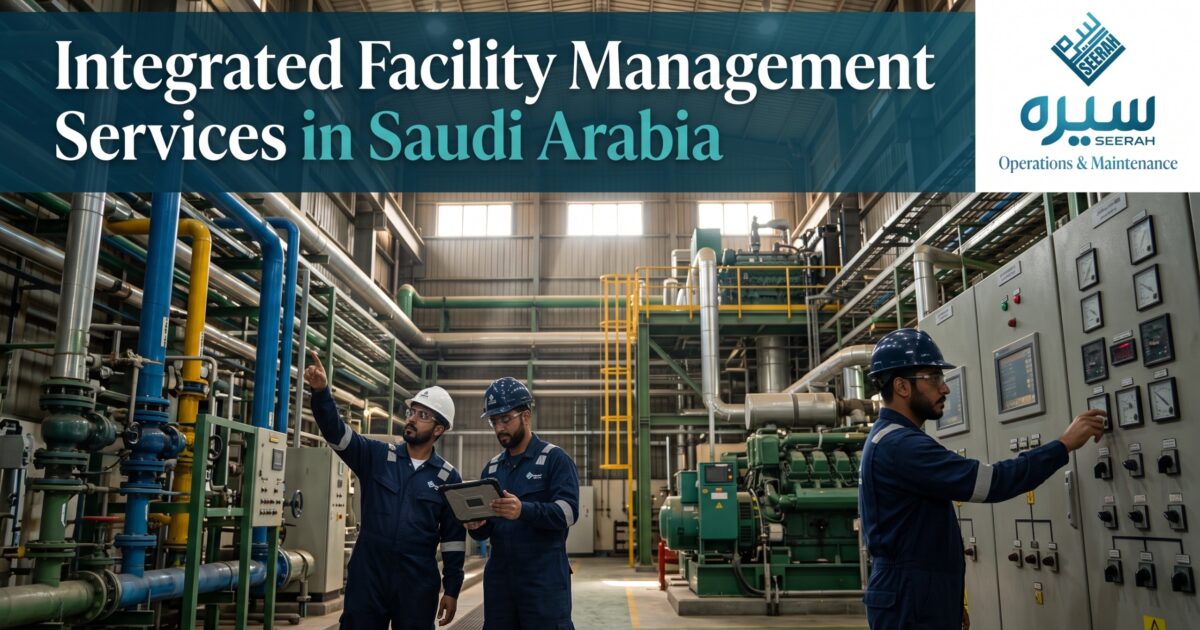
This has strengthened demand for Integrated Facility Management Services in Saudi Arabia, which combine essential technical and operational functions through a coordinated management approach.
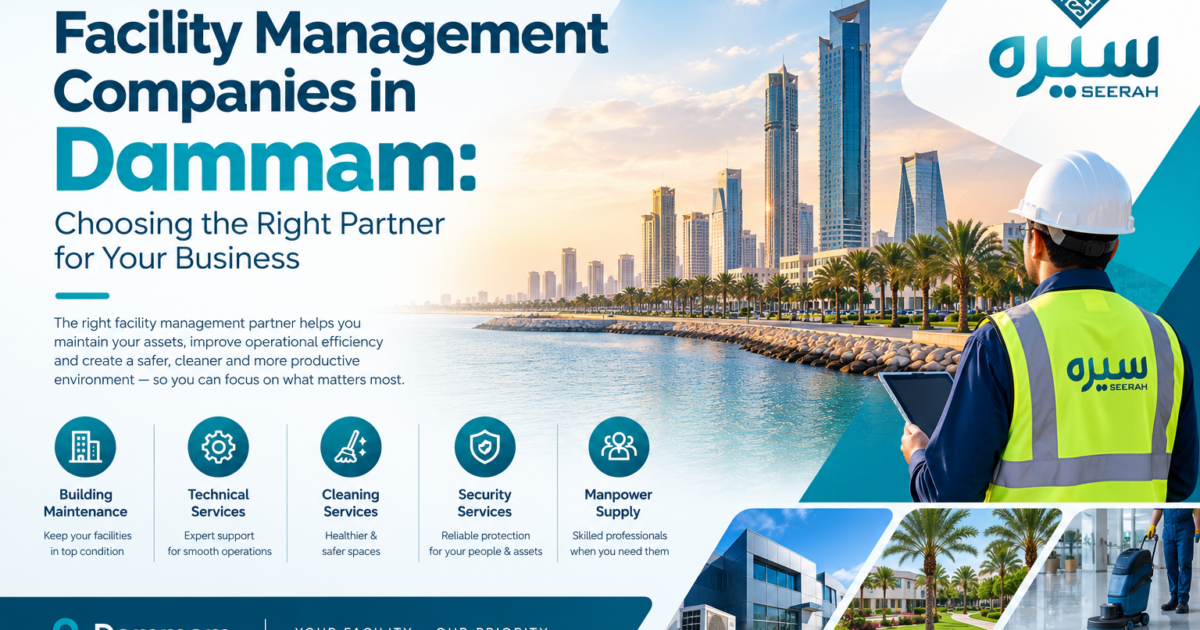
Seerah, a Saudi-based provider of facility management and workforce solutions, supports commercial and industrial organizations seeking structured approaches to maintaining their business infrastructure.
Facility Management as a Contributor to Property Value
A commercial property represents a long-term investment that requires continuous operational attention.
Poorly maintained technical systems, inconsistent cleaning standards, and recurring equipment failures can negatively affect the experience of building occupants.
Over time, these issues may also influence maintenance expenditure and the property’s overall commercial attractiveness.
Professional facility management helps owners address these challenges through planned maintenance and coordinated service delivery.
A structured approach can support:
- Preservation of essential building infrastructure.
- Consistent maintenance standards.
- Improved operational documentation.
- Better coordination of technical services.
- Appropriate management of facility resources.
- More reliable conditions for building occupants.
Integrated facility management connects these responsibilities within a broader operational strategy.
Understanding Facility Management Procurement
Selecting a facility management provider is an important procurement decision for businesses and commercial property owners.
The process should begin with a clear understanding of the facility’s technical requirements, operating conditions, and expected service outcomes.
Without a properly defined scope of work, organizations may encounter difficulties comparing proposals or evaluating service delivery.
Developing an Effective FM Scope of Work
A comprehensive scope of work may identify:
Technical Maintenance Requirements: HVAC, mechanical, electrical, plumbing, and other building systems requiring support.
Soft Facility Services: Cleaning, housekeeping, landscaping, and general operational activities.
Workforce Requirements: Technical personnel, supervisors, cleaning teams, and other relevant resources.
Maintenance Frequency: Agreed schedules for inspections, servicing, and other maintenance activities.
Reporting Responsibilities: Documentation and communication procedures associated with service delivery.
Clearly defining these requirements helps organizations establish more transparent working relationships with facility management providers.
Why Contract Transparency Matters
Facility management contracts often cover multiple services delivered over extended periods.
Clear contractual arrangements help both parties understand their responsibilities and expected service standards.
Important contract considerations may include service inclusions, exclusions, reporting requirements, maintenance responsibilities, workforce arrangements, and procedures for managing additional work.
Organizations should also understand how service performance will be evaluated throughout the contract period.
Professional facility management companies in Saudi Arabia can support businesses by developing service arrangements based on clearly defined operational requirements.
A well-structured agreement provides a foundation for more consistent facility operations.
Seerah: Supporting Business-Focused Facility Operations
Commercial organizations increasingly seek facility management partners capable of coordinating multiple service requirements.
Seerah Operation & Maintenance Co. provides integrated facility management, operation and maintenance, and professional workforce solutions for businesses across Saudi Arabia.
Its service capabilities include:
- Integrated Facility Management
- HVAC and Technical Maintenance
- Mechanical, Electrical, and Plumbing Services
- Preventive and Corrective Maintenance
- Commercial Cleaning and Soft Services
- Skilled Manpower Solutions
- Workforce Outsourcing
- Landscaping and Facility Support
- CAFM and Facility Technology Solutions
By combining technical maintenance with workforce resources, Seerah supports businesses seeking coordinated operational solutions.
Organizations interested in Integrated Facility Management Services in Saudi Arabia can explore Seerah’s professional service portfolio.
Tenant Retention and the Role of Facility Management
For owners of leased commercial properties, tenant satisfaction is an important business consideration.
Although rental terms and property location influence leasing decisions, the quality of the operating environment also matters.
Reliable cooling systems, maintained common areas, professional cleaning, and responsive maintenance contribute to a more positive occupant experience.
Recurring technical problems or inconsistent facility services can create frustration among tenants and building users.
Integrated facility management helps property operators coordinate essential services and respond to maintenance requirements through organized procedures.
Maintaining appropriate operational standards can contribute to stronger tenant relationships and support the long-term attractiveness of commercial properties.
Managing a Portfolio of Commercial Properties
Organizations responsible for several properties face different challenges from those managing a single facility.
Each building may have its own equipment, maintenance history, operating schedule, and service requirements.
However, property owners often need consistent reporting and performance standards across their entire portfolio.
Portfolio-level facility management helps organizations develop common procedures while recognizing the operational differences between individual properties.
For example, a business may manage office facilities in Riyadh, commercial properties in Jeddah, and industrial infrastructure in the Eastern Province.
A coordinated approach can help management compare operational information, establish maintenance priorities, and organize facility-related resources more effectively.
Seerah’s integrated facility management and workforce capabilities are relevant to businesses seeking professional support for their commercial operations.
Operational Transitions: Maintaining Continuity When Services Change
Changing a facility management provider requires careful planning.
During a service transition, organizations must ensure that essential maintenance activities continue and operational information is transferred appropriately.
An effective transition process may include reviewing existing equipment records, identifying outstanding maintenance activities, establishing workforce responsibilities, and confirming service commencement procedures.
Clear communication between the outgoing provider, incoming service team, and facility management representatives is important.
Integrated facility management supports these transitions by encouraging structured documentation and coordinated operational planning.
Balancing Service Quality with Operational Expenditure
Reducing facility management costs should not automatically mean reducing essential maintenance activities.
A lower initial service price may create additional expenditure if critical maintenance requirements are overlooked.
Organizations should evaluate facility management proposals based on the relationship between service quality, operational requirements, and long-term cost.
Important considerations include:
- The technical complexity of the facility.
- Required workforce resources.
- Maintenance frequency and equipment condition.
- Service performance expectations.
- Reporting and supervision requirements.
- Long-term infrastructure needs.
This approach helps businesses make more informed procurement decisions.
The Growing Importance of Professional FM in Saudi Arabia
Saudi Arabia’s expanding commercial environment is creating demand for professionally managed properties across multiple business sectors.
Corporate developments in Riyadh, commercial and hospitality facilities in Jeddah, and industrial infrastructure in Dammam, Khobar, and Jubail require dependable operational support.
As businesses invest in new facilities and expand existing operations, maintaining consistent building performance becomes increasingly important.
Integrated Facility Management Services in Saudi Arabia provide a coordinated framework for managing technical maintenance, operational personnel, and essential facility services.
Seerah contributes to this sector through its facility management and workforce solutions, supporting the evolving requirements of commercial and industrial organizations.
Conclusion
Effective commercial property management requires more than maintaining the physical appearance of a building.
It involves coordinating technical services, establishing clear contractual responsibilities, supporting occupant satisfaction, and protecting long-term infrastructure value.
Integrated Facility Management Services in Saudi Arabia help businesses connect these responsibilities through a structured operational approach.
Through its professional facility management, operation and maintenance, and workforce solutions, Seerah supports organizations seeking coordinated business services.
For commercial property owners and industrial operators, working with an integrated facility management provider can help establish more consistent operational practices and support long-term business performance.
Company Website: https://seerah.sa
Seerah Group | Workforce Solutions & Facility Management