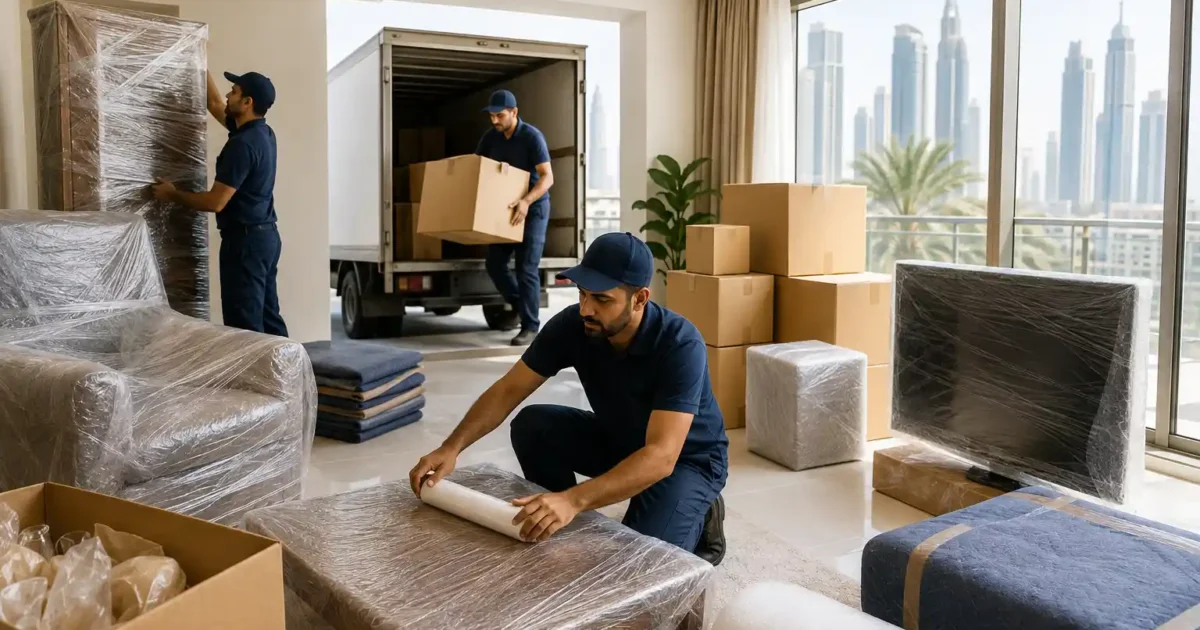
Moving house in Dubai during summer is not the same as moving during a mild season.

Temperatures can become extremely high, outdoor exposure can be uncomfortable, and sensitive belongings such as electronics, wooden furniture, artwork, glassware and certain household appliances need careful handling. At the same time, families still need to coordinate building access, elevators, parking, packing, transportation and the move into their new property.
Many people focus on choosing a moving date and arranging transportation but overlook an important part of the process: protecting their belongings from heat, dust, humidity, sudden temperature changes and rough handling.
Whether you are moving from an apartment in Dubai Marina, relocating a villa in Arabian Ranches, shifting to a townhouse in Jumeirah Village Circle or moving between different Dubai communities, summer preparation can make a significant difference.
A well planned move reduces unnecessary exposure, protects fragile possessions and allows the moving team to work more efficiently.
If you are planning a summer relocation, Movers and Packers in Dubai can help with packing, furniture protection, loading, transportation, unloading and furniture placement while you focus on preparing your household.
Why Summer Moving in Dubai Requires Extra Preparation
Dubai summer conditions can affect both people and belongings.
The biggest challenge is usually not the distance between two properties. It is the combination of heat, direct sunlight, outdoor loading, vehicle exposure and the amount of time required to complete a household move.
A move may involve several stages:
- Packing inside the property
- Carrying belongings through corridors
- Moving items into elevators
- Loading the vehicle
- Waiting during access procedures
- Transporting belongings
- Unloading at the destination
- Carrying furniture into the new property
- Reassembling and arranging items
Some belongings can tolerate these conditions easily.
Others require more attention.
Electronics, candles, certain cosmetics, artwork, wooden furniture, leather items, plants and temperature sensitive possessions should be handled carefully.
Plan the Moving Schedule Around the Weather
One of the most important decisions is the timing of the move.
During summer, reducing unnecessary outdoor exposure is beneficial for both people and belongings.
If your building allows flexible moving hours, discuss the available time slots with your moving company and building management.
The objective is to keep the process organized so the moving team is not waiting outside unnecessarily.
Confirm Building Access Before Moving Day
Apartment buildings and gated communities may have specific moving procedures.
These can include:
- Service elevator booking
- Security approval
- Loading area access
- Parking restrictions
- Moving time windows
- Community access procedures
- Move in documentation
Confirm these arrangements before the moving date.
A moving truck arriving at a building without the required access can create delays and increase the amount of time furniture remains exposed to outdoor conditions.
Prepare the Home Before the Movers Arrive
Preparation inside the property can make the actual moving process faster.
Clear pathways through each room.
Remove small objects from corridors.
Secure loose cables.
Move small decorative items away from furniture that will be carried.
Make sure doors can open fully.
If large furniture needs to be disassembled, identify those items before the moving team arrives.
A clear route allows movers to work efficiently and reduces unnecessary handling.
Protect Wooden Furniture From Heat and Moisture
Wooden furniture can be particularly sensitive to environmental changes.
Tables, cabinets, wardrobes, beds and wooden decorative pieces may react to changes in temperature and humidity.
This does not mean wooden furniture cannot be moved during summer.
It means it should be handled properly.
Wrap Wooden Furniture Correctly
Furniture should be protected from scratches, dust and contact with other items during transportation.
Depending on the piece, suitable protection can include:
- Furniture blankets
- Stretch film
- Protective sheets
- Corner protection
- Bubble wrap for delicate sections
- Cardboard protection
The objective is to create a protective barrier without trapping unnecessary moisture against the surface.
Protect Polished Surfaces
Highly polished furniture can show scratches easily.
Glass topped tables, lacquered cabinets and polished wooden surfaces should receive additional attention.
Do not place heavy objects directly on top of polished furniture during transportation.
Give Extra Attention to Leather Furniture
Leather sofas and chairs are valuable household items that can be affected by excessive heat and poor handling.
Avoid leaving leather furniture exposed to direct sunlight for extended periods.
During loading and unloading, use suitable furniture protection.
Do not drag leather furniture across rough surfaces.
When the furniture arrives at the new property, place it away from direct sunlight where possible.
Protect Mattresses During Summer Moves
Mattresses can collect dust and moisture if they are transported without protection.
Use suitable mattress covers or protective wrapping.
Keep mattresses away from dirty floors and outdoor surfaces.
Do not place heavy boxes on top of mattresses.
Once the mattress reaches the new property, remove the outer protective layer and allow the item to remain in a clean, ventilated environment.
Electronics Need Special Care
Televisions, computers, gaming consoles, monitors, speakers and other electronic devices should be treated differently from ordinary household items.
Electronics can be sensitive to heat, dust, moisture and sudden environmental changes.
Pack Electronics Before Moving Day
Do not leave electronics until the final hour.
Prepare them in advance.
For important devices, keep original packaging if available.
Original boxes can provide excellent protection because they are designed around the dimensions of the equipment.
If the original packaging is unavailable, use appropriate cushioning and a strong box.
Allow Temperature Sensitive Electronics to Adjust
If an electronic device has been transported through very different temperatures, avoid switching it on immediately if there is a possibility of condensation.
Allow the equipment to reach normal indoor conditions before powering it up.
This is particularly sensible when an item has been exposed to outdoor heat and then moved into a strongly cooled indoor environment.
Protect Television Screens
Television screens should receive special attention.
Never place heavy objects on top of a television.
Avoid laying large screens flat if the manufacturer’s instructions recommend another position.
Use suitable padding around the screen.
Keep sharp objects away from the display.
When possible, transport the television in an upright and well protected position.
Handle Computers Carefully
Desktop computers, laptops and monitors contain delicate components.
Before packing:
- Shut down the device
- Disconnect cables
- Label important cables
- Remove removable accessories
- Protect screens
- Keep small components together
For desktop computers, consider removing particularly heavy internal components if appropriate and if you know how to do so safely.
For valuable equipment, professional packing can provide additional protection.
Keep Important Electronics With You
Certain electronics should ideally remain with you instead of being placed in a general moving truck.
These may include:
- Laptops
- Important hard drives
- Cameras
- Valuable personal devices
- Sensitive business equipment
- Important storage devices
Keep important data backed up before the move.
Physical protection is important, but protecting the information stored on the device is equally important.
Protect Glassware and Fragile Kitchen Items
Summer does not make glass fragile, but a poorly organized move can increase the possibility of breakage.
Pack glassware individually where practical.
Use appropriate cushioning between items.
Do not leave empty space inside boxes.
At the same time, avoid overfilling boxes with heavy glass items.
Label Fragile Boxes Clearly
Clearly identify boxes containing:
- Glassware
- Plates
- Decorative pieces
- Mirrors
- Ceramics
- Crystal
- Artwork
Fragile labels are not a substitute for proper packing, but they can help movers identify boxes that require additional care.
Protect Mirrors and Artwork
Mirrors, framed artwork and decorative wall pieces should not be packed like ordinary household items.
Use suitable padding.
Protect corners.
Prevent direct contact between glass surfaces and hard objects.
Large artwork should be positioned securely during transportation.
If the item is particularly valuable or irreplaceable, discuss the safest handling method with the moving company before moving day.
Be Careful With Candles and Heat Sensitive Items
Some household products can soften or change consistency when exposed to high temperatures.
Examples may include:
- Candles
- Certain cosmetics
- Some beauty products
- Wax products
- Certain adhesives
- Some decorative materials
Pack these separately where appropriate.
Avoid leaving them in direct sunlight.
If a product has specific storage instructions, follow the manufacturer’s recommendations.
Protect Important Documents
Documents should not be left inside a hot moving vehicle for unnecessary periods.
Keep important documents with you.
These may include:
- Passports
- Identification documents
- Tenancy documents
- School records
- Insurance documents
- Financial documents
- Property paperwork
- Business records
Use a secure document folder.
Digital backups can also be useful for important records.
Protect Clothing From Dust
Dubai’s summer environment can be dusty, particularly when belongings are being carried through loading areas.
Clothing should be packed in clean bags, wardrobe boxes or suitable cartons.
Do not leave clothing exposed while furniture is being moved.
Keep your most important clothes separate so you have immediate access after reaching the new property.
Take Care With Kitchen Appliances
Kitchen appliances require proper preparation.
Refrigerators, washing machines, dishwashers, ovens and other large appliances should be disconnected appropriately.
Prepare the Refrigerator
Remove food before the move.
Clean the interior.
Allow moisture to drain.
Dry the inside thoroughly.
Secure removable shelves where necessary.
Keep the refrigerator doors secured according to appropriate manufacturer guidance during transportation.
Prepare the Washing Machine
Washing machines contain water connections that need to be disconnected correctly.
Drain remaining water.
Secure hoses and cables.
If the manufacturer recommends transport bolts or other protective components, follow those instructions.
Protect Small Appliances
Small appliances can be easy to underestimate.
Items such as:
- Coffee machines
- Blenders
- Air fryers
- Mixers
- Toasters
- Microwaves
- Food processors
should be packed carefully.
Keep detachable components together.
Wrap glass containers separately.
Do not place heavy objects on delicate appliances.
Do Not Leave Plants in a Hot Vehicle
Plants can be particularly vulnerable during a summer relocation.
Avoid leaving plants inside a parked vehicle for extended periods.
If possible, transport sensitive plants separately in a suitable environment.
Water requirements should also be considered.
Some plants should not be heavily watered immediately before transportation because excessive moisture can create additional problems during handling.
Keep Pets Comfortable
Pets can become stressed during a move.
Moving activity creates unfamiliar sounds, open doors, strangers and changing surroundings.
During the main moving activity, keep pets in a secure and quiet location.
For long distance travel or special circumstances, follow appropriate veterinary and transportation guidance.
The priority is to prevent pets from escaping and reduce unnecessary stress.
Protect Children From the Heat
Children should not be left in loading areas or near moving vehicles.
Moving day involves:
- Heavy furniture
- Open doors
- Boxes
- Trucks
- Elevators
- Equipment
- Frequent movement
Arrange a safe indoor area away from the main activity.
Keep children hydrated and comfortable.
If possible, having another adult supervise children can allow the main household organizer to focus on the relocation.
Keep Water Available for the Moving Team
Moving furniture is physically demanding.
Summer conditions make it even more important for workers to have access to drinking water.
Keep bottled water available.
This is a simple step that can help the moving process remain comfortable and efficient.
Keep the Loading Route Short and Clear
One of the best ways to reduce heat exposure is to minimize unnecessary movement.
Clear the route from:
- Bedroom to corridor
- Corridor to elevator
- Elevator to loading area
- Loading area to vehicle
The fewer obstacles there are, the faster furniture can move between indoor spaces and the vehicle.
Protect Floors During the Move
Dubai apartments and villas may have polished floors, tiles, marble or wooden flooring.
Heavy furniture can scratch floors if dragged.
Use appropriate floor protection where necessary.
Furniture should be lifted rather than dragged whenever practical.
This protects both the property and the belongings.
Protect Door Frames and Walls
Large wardrobes, sofas and tables can be difficult to move through narrow doorways.
Measure oversized furniture before moving day.
If necessary, disassemble the furniture.
Protect corners and edges.
Do not force large items through tight spaces.
A few minutes spent planning access can prevent significant damage.
Why Furniture Disassembly Helps
Large furniture often becomes easier to move after appropriate disassembly.
Examples include:
- Beds
- Wardrobes
- Dining tables
- Large desks
- Bookshelves
- Cabinets
Professional moving teams can often disassemble and reassemble suitable furniture as part of the relocation process.
This reduces the risk of damaging walls and makes transportation more manageable.
Choose the Right Packing Materials
Different items require different forms of protection.
Useful packing materials can include:
- Strong cartons
- Bubble wrap
- Stretch film
- Furniture blankets
- Packing paper
- Corner protection
- Mattress covers
- Protective sheets
- Tape
Using the same material for every item is not necessarily the best approach.
A television requires different protection from clothing.
A glass table requires different handling from a wooden cabinet.
Do Not Overfill Boxes
An extremely heavy box can be difficult to lift and may break.
Books are a good example.
Instead of placing every book into one large carton, divide them into smaller boxes.
This makes handling easier.
It also reduces the chance of a box failing during loading.
Balance Box Weight
A well packed household should contain a mixture of light and heavier items.
For example, place lighter materials around heavier items when appropriate.
Do not create cartons that are impossible for one person to handle safely.
The objective is not to fit the maximum number of objects into every box.
The objective is safe and manageable transportation.
Keep Valuable Items Separate
Some possessions should not be treated as ordinary household cargo.
These may include:
- Jewelry
- Cash
- Important documents
- Personal identification
- Irreplaceable photographs
- Sensitive data
- High value electronics
Keep particularly valuable personal items with you whenever practical.
Prepare an Essentials Box
An essentials box is extremely useful during a summer move.
Include:
- Drinking water
- Basic toiletries
- Towels
- Phone chargers
- Cleaning supplies
- Basic kitchen items
- Snacks
- Children’s essentials
- Pet supplies if applicable
- Basic clothing
Keep this box clearly identified.
It should be accessible as soon as you arrive.
Prepare a Personal Moving Bag
Each family member can have a small personal bag.
It can contain:
- Clothing
- Toiletries
- Medication
- Phone charger
- Identification
- Wallet
- Important personal items
This means you do not need to open multiple boxes immediately after arrival.
Prepare the New Home Before Delivery
If you can access the new property before moving day, prepare it.
Check:
- Electricity
- Water
- Cooling
- Lighting
- Doors
- Building access
- Service elevator
- Parking
- Basic cleanliness
A functioning air conditioning system is particularly important during Dubai summer.
Set Up Cooling Before the Furniture Arrives
If the new property has been empty, it may be warm inside.
If possible, ensure the cooling system is operational before the moving team begins unloading.
This makes the environment more comfortable for both people and temperature sensitive belongings.
Plan Where Furniture Will Go
Do not decide the location of every large piece while movers are carrying it through the door.
Prepare a basic room layout in advance.
Know where you want:
- Sofa
- Bed
- Dining table
- Wardrobe
- Desk
- Television
- Cabinets
Clear instructions reduce unnecessary lifting and repositioning.
Use a Room by Room Labeling System
Labels make unloading much faster.
Examples include:
Master Bedroom
Children’s Bedroom
Kitchen
Living Room
Office
Bathroom
You can also use additional labels such as:
Fragile
Open First
Heavy
Electronics
Why Professional Packing Can Help
Packing a household during summer can be physically demanding.
Professional movers bring experience in handling furniture, appliances, fragile items and household boxes.
They can also organize the packing process so that belongings are protected before loading begins.
The current Movers and Packers Dubai service information describes packing materials, furniture wrapping, furniture protection, loading, unloading, disassembly, reassembly and building coordination as part of its moving process.
This can be particularly useful for large households where packing would otherwise take several days.
When You Should Consider Full Packing Service
A full packing service can be useful if:
- You have a large household
- You have many fragile items
- You have limited time
- You have heavy furniture
- You are moving with children
- You work long hours
- You are moving on a strict schedule
- You have valuable electronics
- You want the household organized professionally
You can still keep personal documents and valuable possessions with you while allowing the moving team to handle ordinary household belongings.
Choosing a Moving Company for a Summer Relocation
Do not choose a company solely because it offers the lowest quotation.
Ask about:
- Packing
- Furniture protection
- Vehicle capacity
- Crew size
- Loading process
- Unloading process
- Furniture disassembly
- Reassembly
- Building coordination
- Elevator arrangements
- Written quotation
- Additional charges
The goal should be a clear scope of work.
A reliable moving company should understand that every household contains different types of belongings requiring different handling methods.
Why Building Coordination Matters in Dubai
Many Dubai residential buildings have specific procedures for moving.
The building may control:
- Service elevators
- Loading zones
- Moving hours
- Security access
- Parking
- Move in approvals
The website’s service information specifically highlights building access coordination and elevator booking as part of its moving process.
This is especially important during busy periods when multiple residents may be moving on the same day.
How Residential Moving Services Can Simplify Summer Relocation
A summer residential move involves many small details.
Furniture needs protection.
Boxes need labeling.
Fragile belongings require careful packing.
Building access needs coordination.
Large furniture may need disassembly.
The new property needs to be ready.
The residential moving services in Dubai provided by Movers and Packers Dubai are designed around household relocation, including apartment and home moves.
Using a professional team allows the household owner to focus on family members, documents, property access and other responsibilities while the physical moving process is handled by experienced workers.
Summer Moving Checklist
One to Two Weeks Before Moving
- Confirm the moving date
- Confirm building access
- Reserve the service elevator
- Start decluttering
- Begin packing
- Arrange utility related tasks
- Prepare important documents
- Identify fragile belongings
- Plan furniture placement
- Confirm the new property’s cooling system
One Day Before Moving
- Finish packing
- Label all boxes
- Prepare essentials boxes
- Separate valuable belongings
- Charge phones
- Prepare personal bags
- Disconnect suitable appliances
- Empty the refrigerator
- Secure important documents
- Confirm the moving team’s arrival time
On Moving Day
- Keep children away from loading activity
- Keep pets secure
- Keep valuables with you
- Keep water available
- Keep pathways clear
- Protect floors
- Protect fragile belongings
- Check all rooms before leaving
- Confirm the new property is accessible
After Arrival
- Turn on cooling
- Direct boxes to the correct rooms
- Check fragile items
- Set up beds
- Connect essential appliances according to manufacturer guidance
- Keep electronics at normal indoor conditions before use when appropriate
- Unpack essential items first
- Keep moving documents organized
Common Summer Moving Mistakes
Leaving Electronics in Direct Sunlight
Electronic equipment should not be left unnecessarily exposed to extreme outdoor conditions.
Moving Without Furniture Protection
Unprotected furniture is more vulnerable to scratches, dust and handling damage.
Forgetting Building Access
A lack of elevator or loading access can create unnecessary delays.
Packing Everything Into Heavy Boxes
Heavy cartons are difficult to handle and may fail during transportation.
Leaving Important Documents in the Moving Truck
Keep critical documents with you.
Forgetting to Prepare the New Property
A hot, inaccessible or unfinished property can make unloading much more difficult.
Switching Electronics On Immediately After Temperature Changes
Allow sensitive equipment to reach normal indoor conditions when condensation may be a concern.
Trying to Do Everything Yourself
Large furniture, appliances and heavy boxes require significant physical effort.
Is Summer a Bad Time to Move in Dubai?
Not necessarily.
People move throughout the year for many reasons.
Tenancy deadlines, new jobs, school schedules, property availability and personal circumstances do not always allow families to choose the most comfortable season.
The key is preparation.
A summer move can be completed successfully when the schedule is organized, access is confirmed, belongings are protected and unnecessary outdoor exposure is minimized.
Final Thoughts
Moving during Dubai summer requires more planning than simply selecting a date and hiring a truck.
Extreme outdoor conditions, direct sunlight, dust, building access, loading times and temperature sensitive belongings all deserve attention.
Start by confirming your moving schedule and building requirements.
Prepare your home before the moving team arrives.
Declutter early.
Use suitable packing materials.
Protect wooden furniture, leather sofas, mattresses and fragile items.
Give electronics additional attention.
Keep important documents and valuable belongings with you.
Prepare an essentials box.
Make sure the new property has working cooling before unloading begins.
Most importantly, organize the move so that the moving team can work efficiently without unnecessary waiting.
Professional moving and packing services in Dubai can take care of much of the physical work, including packing, furniture protection, loading, transportation, unloading and furniture placement.
A well prepared summer relocation is not about avoiding the heat completely.
It is about reducing unnecessary exposure, protecting your belongings and making every stage of the move predictable.
When the old home is packed properly, the building access is confirmed, the new property is ready and the moving team knows exactly what needs to be handled, even a Dubai summer relocation can be completed smoothly and efficiently.