Author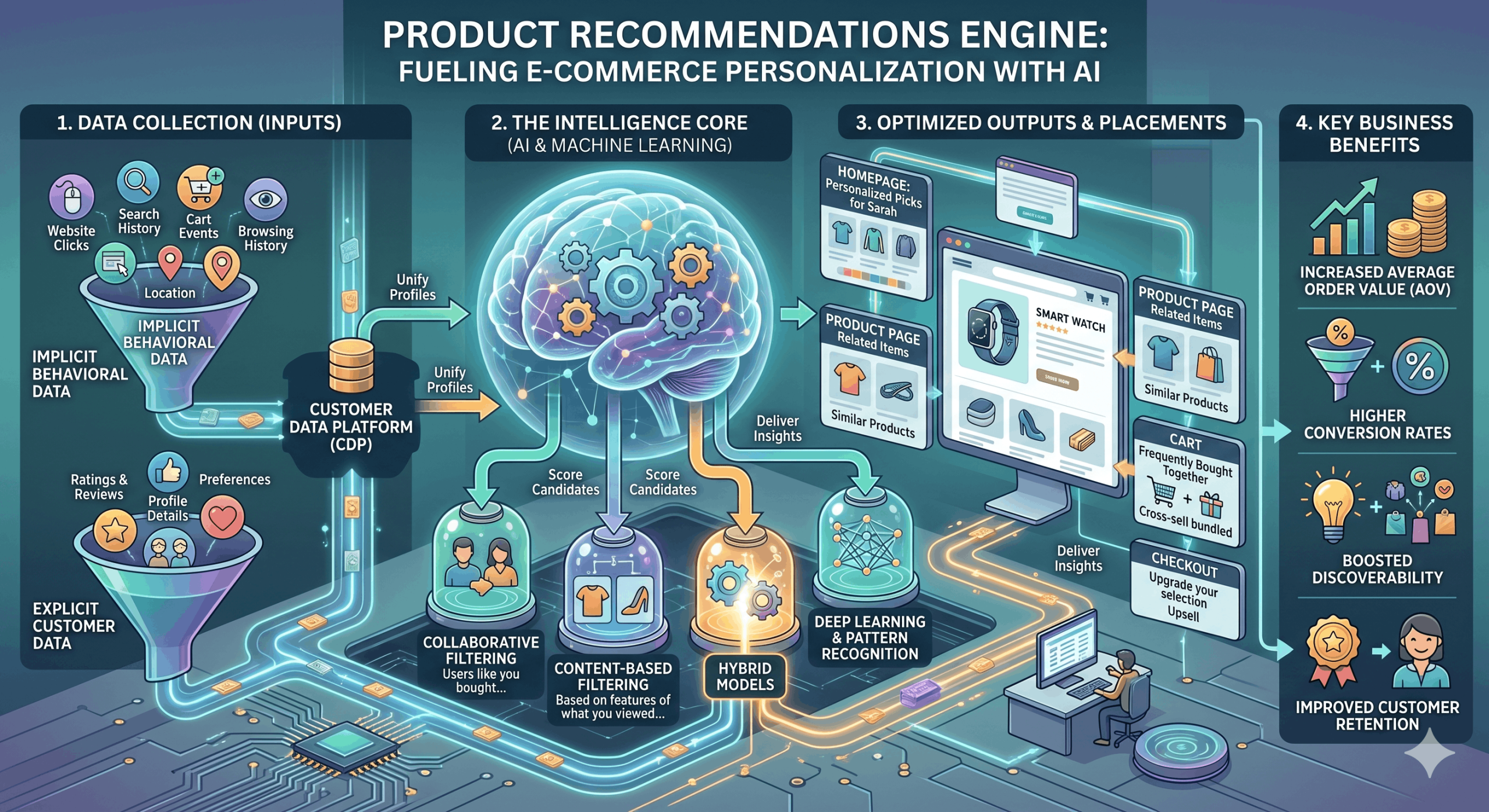
Not every purchase decision is made in a matter of seconds. While consumers may quickly buy everyday items such as groceries, accessories, or household essentials, other purchases require significantly more research, evaluation, and deliberation. Products such as electronics, furniture, luxury goods, appliances, sporting equipment, automobiles, and high-end fashion often involve larger financial commitments and longer decision-making cycles.
These transactions are commonly referred to as high-consideration purchases because customers invest substantial time comparing options, reading reviews, evaluating specifications, and seeking reassurance before making a decision.
For retailers, high-consideration purchases present both opportunities and challenges. The higher transaction value can drive substantial revenue, but customers are also more likely to abandon their journey if they become overwhelmed, confused, or unable to find relevant information. Traditional merchandising approaches often struggle to provide the guidance customers need during these complex buying journeys.
This is where product recommendations engine play a crucial role. By leveraging customer behavior, product intelligence, artificial intelligence, and contextual signals, recommendation engines help guide customers toward products that align with their needs and preferences. Rather than simply promoting popular products, modern recommendation systems support informed decision-making throughout the purchase journey.
As customer expectations continue to rise, product recommendations engines are becoming essential tools for helping retailers improve conversion rates and customer confidence in high-consideration buying environments.
What Are High-Consideration Purchases?
High-consideration purchases are products or services that require significant customer evaluation before purchase.
Examples include:
- Consumer electronics
- Furniture
- Home appliances
- Luxury products
- Sporting equipment
- Travel packages
- Automotive products
- High-value B2B solutions
These purchases typically involve:
- Higher price points
- Longer decision cycles
- Greater perceived risk
- Extensive product research
- Multiple customer touchpoints
Customers often seek reassurance before committing to these purchases.
Why High-Consideration Purchases Are Different
Unlike impulse purchases, high-consideration purchases involve more complex customer journeys.
Customers may:
- Compare multiple products
- Read detailed specifications
- Review ratings and feedback
- Consult external sources
- Revisit products multiple times
The decision-making process can span days, weeks, or even months.
As a result, retailers must support customers throughout the entire journey.
The Challenges Retailers Face
High-consideration purchasing behavior creates several challenges.
Information Overload
Large product catalogs can overwhelm customers.
Product Complexity
Customers may struggle to understand product differences.
Purchase Hesitation
Higher costs often increase decision anxiety.
Long Buying Cycles
Multiple interactions occur before conversion.
Cart Abandonment
Customers frequently leave before completing a purchase.
These challenges can reduce conversion rates and revenue opportunities.
What Is a Product Recommendations Engine?
A product recommendations engine is a technology solution that uses customer data, behavioral signals, and artificial intelligence to suggest products most relevant to individual shoppers.
Modern recommendation engines analyze:
- Browsing behavior
- Purchase history
- Product affinity
- Search activity
- Contextual signals
- Similar customer behavior
The objective is to improve product discovery and guide customers toward the most relevant options.
Why Recommendation Engines Matter for High-Consideration Purchases
Customers making significant purchases often need assistance navigating large amounts of information.
Recommendation engines help by:
- Reducing decision complexity
- Improving product discovery
- Highlighting relevant alternatives
- Supporting customer confidence
Rather than leaving customers to evaluate hundreds of products independently, recommendation engines help narrow the field.
This improves both customer experience and conversion potential.
How Product Recommendations Engines Support High-Consideration Purchases
Simplifying Product Discovery
Many retailers offer extensive product assortments.
For example:
A customer shopping for a laptop may encounter hundreds of models with different specifications and price points.
Recommendation engines help simplify discovery by prioritizing products most relevant to the shopper’s interests and needs.
This reduces friction and decision fatigue.
Leveraging Customer Affinity
Customer affinity refers to demonstrated interest in specific products, brands, or categories.
Recommendation engines analyze affinity signals such as:
- Previous purchases
- Browsing activity
- Search behavior
- Product engagement
These insights help surface products that align with customer preferences.
Affinity-based recommendations improve relevance throughout the buying journey.
Supporting Product Comparison
Comparison is a critical part of many high-consideration purchases.
Recommendation engines can help customers evaluate alternatives by suggesting:
- Similar products
- Higher-tier options
- Lower-cost alternatives
- Feature-based recommendations
These suggestions help customers make more informed decisions.
Reducing Decision Fatigue
When customers face too many choices, they often delay or abandon purchases.
Recommendation engines reduce decision fatigue by narrowing product selections based on:
- Customer interests
- Product relevance
- Behavioral signals
This helps customers focus on options most likely to meet their needs.
Providing Contextual Recommendations
High-consideration purchases often depend on context.
For example:
A customer purchasing a camera may have different needs depending on whether they are a beginner or professional photographer.
Recommendation engines consider contextual factors such as:
- Product category
- Session behavior
- Customer intent
- Device type
- Geographic location
Context-aware recommendations improve relevance.
Supporting Multi-Session Buying Journeys
Many high-consideration purchases involve multiple visits before conversion.
Recommendation engines help maintain continuity across sessions by incorporating:
- Previous product views
- Wishlist activity
- Search history
- Customer preferences
This creates a more consistent and personalized shopping experience.
Personalized Product Recommendations
Personalization is especially important for complex purchases.
Recommendation engines can tailor suggestions based on:
- Purchase history
- Category preferences
- Budget considerations
- Brand affinity
Personalized recommendations help customers find products that match their specific requirements.
Leveraging AI and Machine Learning
Artificial intelligence plays a major role in modern recommendation systems.
AI-powered engines can:
- Predict customer interests
- Analyze behavioral patterns
- Identify product affinities
- Optimize recommendations dynamically
Machine learning continuously improves performance as customer interactions increase.
This creates increasingly accurate recommendations over time.
Supporting Cross-Sell and Upsell Opportunities
High-consideration purchases often create opportunities for complementary recommendations.
Examples include:
- Laptop accessories
- Furniture protection plans
- Camera lenses
- Home appliance add-ons
Relevant cross-sell recommendations improve customer value while increasing average order value.
Building Customer Confidence
Trust is critical for high-consideration purchases.
Recommendation engines help build confidence by presenting:
- Relevant products
- Suitable alternatives
- Personalized suggestions
When recommendations align with customer needs, shoppers feel more confident in their decisions.
This often improves conversion rates.
The Role of Customer Data Platforms
Customer Data Platforms (CDPs) help strengthen recommendation accuracy.
A CDP unifies customer information from:
- Ecommerce websites
- Mobile applications
- Loyalty programs
- CRM systems
- Marketing channels
Unified customer profiles provide richer inputs for recommendation engines.
This improves relevance and personalization.
Omnichannel Recommendation Strategies
Customers researching high-consideration purchases often engage across multiple channels.
Examples include:
- Websites
- Mobile apps
- Email campaigns
- Loyalty programs
- Physical stores
Recommendation engines can use information from these interactions to create more consistent customer experiences.
This improves journey continuity and engagement.
Benefits of Recommendation Engines for High-Consideration Purchases
Improved Product Discovery
Customers find relevant products more quickly.
Reduced Decision Complexity
Recommendations simplify evaluation.
Higher Conversion Rates
Relevant guidance encourages purchases.
Increased Customer Confidence
Customers feel more comfortable making decisions.
Better Customer Experiences
Personalized journeys improve satisfaction.
Higher Average Order Value
Cross-sell opportunities become more effective.
Common Challenges Businesses Face
Large Product Catalogs
Extensive assortments can complicate recommendation strategies.
Sparse Customer Data
New customers may provide limited information.
Long Decision Cycles
Recommendations must remain relevant across multiple interactions.
Balancing Exploration and Relevance
Customers need both guidance and discovery opportunities.
Addressing these challenges improves recommendation effectiveness.
Best Practices for High-Consideration Recommendation Strategies
Focus on Customer Intent
Intent signals often reveal the strongest purchase indicators.
Leverage Behavioral Data
Browsing and search activity provide valuable insights.
Use AI-Powered Recommendations
Machine learning improves personalization accuracy.
Maintain Omnichannel Consistency
Recommendations should reflect customer activity across channels.
Continuously Optimize Recommendation Performance
Ongoing measurement improves results.
Key Metrics to Track
Retailers should monitor:
- Recommendation click-through rates
- Conversion rates
- Product discovery metrics
- Average order value
- Customer engagement rates
- Revenue influenced by recommendations
- Repeat visit rates
These metrics help evaluate recommendation effectiveness.
Conclusion
High-consideration purchases present unique challenges for both customers and retailers. Longer decision cycles, larger financial commitments, and complex product evaluations can create friction throughout the buying journey. Without proper guidance, customers may become overwhelmed or abandon their purchase altogether.
Product recommendations engines help address these challenges by simplifying product discovery, supporting comparison, reducing decision fatigue, and delivering personalized guidance based on customer intent and behavior. Through artificial intelligence, contextual intelligence, and unified customer data, recommendation engines enable retailers to create more relevant and confidence-building experiences.
As ecommerce continues to evolve, retailers that invest in advanced product recommendations engines will be better positioned to support high-consideration purchasing journeys, improve customer satisfaction, and drive stronger business outcomes.