Author
Embroidery is one of the most trusted ways to add logos, artwork, and custom designs to apparel. From company uniforms and sportswear to promotional products and fashion items, embroidery helps create a professional and lasting impression. However, every successful embroidery project begins with one important step: digitizing.
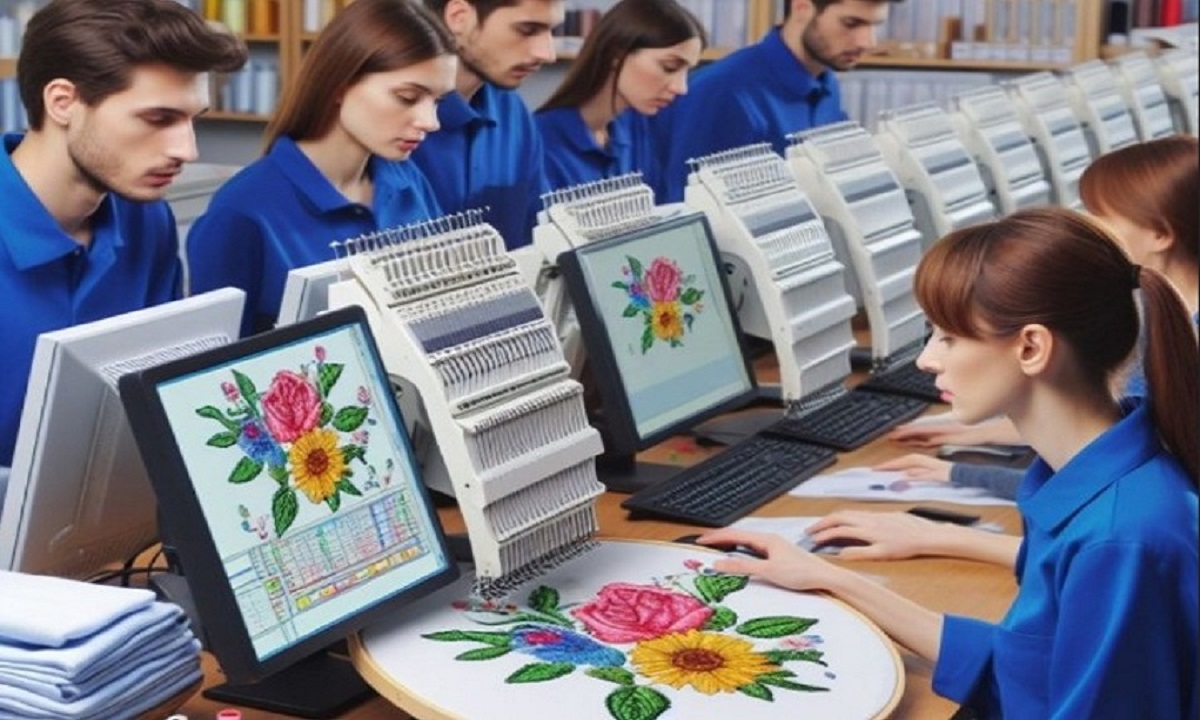
Businesses across the country rely on Embroidery Digitizing Services in USA to turn artwork into machine-ready embroidery files. These services help ensure that designs stitch smoothly, look clean, and perform well on embroidery machines. With fast turnaround times, accurate stitch planning, and reliable file creation, professional digitizing services play a key role in embroidery production.
In this article, we will explore how embroidery digitizing services help businesses, why machine-ready files matter, and what makes a professional digitizing provider a valuable partner.
What Is Embroidery Digitizing?
Embroidery digitizing is the process of converting artwork into a file that an embroidery machine can read.
A logo or image cannot be stitched directly from a standard picture file.
Embroidery machines require a special file that contains stitch instructions.
These instructions tell the machine:
- Where to stitch
- Which stitch type to use
- Which thread color to select
- How dense the stitches should be
- The stitching order
- Stitch directions
Without proper digitizing, even a high-quality embroidery machine may struggle to produce clean results.
Why Digitizing Is Important for Embroidery
Many people focus on thread, fabric, or embroidery machines.
While those elements are important, the digitized file serves as the foundation of the entire project.
A well-digitized file helps create:
- Better stitch quality
- Faster production
- Cleaner designs
- Fewer machine problems
- More consistent results
Poor digitizing often leads to embroidery issues that can increase costs and delay production.
Understanding Machine-Ready Embroidery Files
A machine-ready file is a file that has been prepared specifically for embroidery production.
It contains detailed stitch instructions designed for embroidery machines.
What Makes a File Machine-Ready?
A machine-ready file includes:
Proper Stitch Types
Different areas use different stitch styles.
Correct Density Settings
The design has balanced stitch coverage.
Efficient Stitch Paths
The machine follows a logical stitching sequence.
Fabric Considerations
The design is adjusted for the intended material.
These elements help embroidery machines operate more efficiently.
The Benefits of Fast Turnaround Times
In today’s market, businesses often work under tight deadlines.
Quick service helps embroidery shops meet customer demands.
Supporting Rush Orders
Many customers need designs completed quickly.
Fast digitizing services help businesses accept urgent projects with confidence.
Reducing Production Delays
The sooner a file is completed, the sooner production can begin.
This helps businesses stay on schedule.
Improving Customer Satisfaction
Fast service often leads to happier customers and repeat business.
Reliable turnaround times build trust.
Why Accuracy Matters in Digitizing
Accuracy plays a major role in embroidery quality.
Even small mistakes can affect the final result.
Accurate Stitch Placement
Professional digitizers carefully position each stitch.
This improves design clarity and consistency.
Better Shape Retention
Accurate digitizing helps preserve the original artwork.
Logos and graphics maintain their intended appearance.
Improved Production Results
Accurate files reduce embroidery problems and increase efficiency.
Every stitch serves a purpose.
How Professional Digitizers Improve Stitch Quality
Experienced digitizers use specialized techniques to improve embroidery performance.
Selecting the Right Stitch Types
Different parts of a design require different stitch methods.
Running Stitches
Used for outlines and fine details.
Satin Stitches
Perfect for text and narrow design elements.
Fill Stitches
Ideal for larger design areas.
Choosing the correct stitch type helps create cleaner embroidery.
Planning Stitch Direction
Stitch direction affects both appearance and structure.
Professional digitizers adjust stitch angles to:
- Add texture
- Improve coverage
- Reduce fabric stress
- Create depth
This helps embroidery look more polished and professional.
Balancing Stitch Density
Density refers to how closely stitches are placed together.
Too much density can cause:
- Thread breaks
- Needle wear
- Stiff embroidery
- Fabric puckering
Too little density can create:
- Gaps
- Weak coverage
- Incomplete designs
Professional digitizers find the right balance for each project.
How Digitizing Improves Production Efficiency
Good digitizing benefits more than appearance.
It also improves overall production performance.
Fewer Machine Stops
Optimized files reduce thread breaks and interruptions.
Faster Stitching
Efficient stitch paths help machines complete jobs more quickly.
Lower Material Waste
Accurate files reduce errors and wasted materials.
These benefits help embroidery businesses increase productivity.
The Importance of Underlay Stitches
Underlay stitches are hidden foundation stitches placed beneath top stitching.
They provide support and stability.
Benefits of Underlay
Better Fabric Control
Underlay helps hold fabric in place.
Improved Stitch Coverage
Top stitches appear smoother.
Cleaner Design Edges
Borders and outlines look sharper.
Experienced digitizers know when and where underlay should be used.
Why Different Fabrics Need Different Digitizing
Every fabric behaves differently during embroidery.
A design that works on one material may not perform the same way on another.
Common Fabric Types
Polo Shirts
Soft materials require balanced density.
Caps
Curved surfaces need special stitch planning.
Jackets
Heavy fabrics require adjusted settings.
Towels
Thick textures need extra stitch support.
Professional digitizers account for these differences before production begins.
The Role of Testing in Quality Control
Professional digitizing often includes testing before final delivery.
Testing helps identify potential issues.
What Testing Reveals
A sample stitch-out may uncover:
- Density concerns
- Alignment issues
- Thread performance problems
- Fabric reactions
Making Adjustments
Corrections can be made before production starts.
This reduces costly mistakes.
Testing helps ensure dependable embroidery results.
How Experience Improves Digitizing Quality
Digitizing requires more than software skills.
Experience plays a major role.
Professional digitizers understand:
- Thread behavior
- Machine performance
- Fabric movement
- Production challenges
- Stitch mechanics
This practical knowledge helps create embroidery files that work successfully in real-world conditions.
At Digitizing Buddy, hands-on embroidery experience helps guide the digitizing process and supports the creation of accurate, machine-ready embroidery files.
Common Problems Professional Digitizing Helps Prevent
Experienced digitizers know how to avoid many embroidery issues.
Thread Breaks
Proper stitch planning reduces stress on thread.
Fabric Puckering
Balanced density helps maintain smooth fabric surfaces.
Distorted Designs
Compensation techniques help preserve design accuracy.
Poor Lettering
Special adjustments improve readability for small text.
Preventing these issues saves time and money during production.
Supporting Different Industries
Embroidery is used across many industries.
Professional digitizing services support a wide range of applications.
Corporate Branding
Businesses use embroidered logos on uniforms and promotional products.
Sports Teams
Sportswear requires durable and consistent embroidery.
Schools and Organizations
Group apparel often includes embroidered logos and names.
Fashion Brands
Decorative embroidery adds style and value to garments.
Professional digitizing helps meet the needs of each industry.
Building Trust Through Consistency
Customers expect the same quality every time they order.
Consistency builds trust.
Professional digitizing helps create files that stitch accurately across multiple garments and production runs.
Reliable results help businesses maintain strong customer relationships.
Companies like Digitizing Buddy focus on creating embroidery files that support long-term production success and customer satisfaction.
What to Look for in a Digitizing Service Provider
Choosing the right provider is important.
Several factors can help identify a reliable service.
Experience
Look for providers with proven industry knowledge.
Quality Control
Testing and review processes improve accuracy.
Fast Turnaround
Quick service helps support production schedules.
Customer Support
Responsive communication improves the overall experience.
These qualities help ensure dependable results.
The Long-Term Value of Professional Digitizing
Quality digitizing is an investment in embroidery success.
Professional files offer many long-term benefits.
Better Quality
Designs look cleaner and more professional.
Improved Efficiency
Machines operate more smoothly.
Reduced Costs
Fewer mistakes mean less waste.
Greater Customer Satisfaction
High-quality embroidery helps build loyalty and repeat business.
These advantages support business growth over time.
Final Thoughts
Embroidery digitizing is one of the most important parts of the embroidery process. A well-created embroidery file improves stitch quality, supports efficient production, and helps embroidery machines perform at their best.
Fast turnaround times, accurate stitch planning, and machine-ready solutions allow businesses to complete projects with confidence. Professional digitizers understand how stitches, fabrics, threads, and machines work together to create outstanding embroidery results.
Whether the project involves corporate branding, sportswear, uniforms, or fashion embroidery, high-quality digitizing helps ensure clean stitching, reliable performance, and customer satisfaction. By working with experienced professionals, businesses can achieve better embroidery quality while improving production efficiency and long-term success.